Crafting Exceptional User Experiences: A Guide to UX Design
Embark on a journey into the world of UX design, where every click, swipe, and tap is meticulously crafted to delight users. This guide unveils the secrets behind creating seamless digital experiences that captivate audiences and drive success.
Delve into the realm of user-centric design principles, user research methodologies, information architecture intricacies, wireframing techniques, prototyping benefits, and the visual design elements that elevate interactions to new heights.
Introduction to UX Design
UX design, or user experience design, is a crucial aspect of product development that focuses on creating meaningful and seamless experiences for users. It involves understanding the needs, behaviors, and preferences of users to design products that are intuitive, easy to use, and enjoyable.
Role of UX Design in Creating User-Centered Experiences
UX design plays a vital role in ensuring that products are user-centered, meaning they are designed with the user in mind. By conducting research, gathering feedback, and testing designs, UX designers can create experiences that meet the needs of users and provide value.
Key Principles of UX Design
- Usability: Designs should be easy to use and navigate, focusing on simplicity and clarity.
- Accessibility: Products should be inclusive and accessible to users of all abilities.
- Consistency: Maintain consistency in design elements and interactions throughout the product.
- User Feedback: Incorporate feedback from users to continuously improve and refine the product.
- Emotional Design: Consider the emotional impact of the design on users to create engaging experiences.
User Research in UX Design
User research plays a crucial role in the UX design process as it helps designers understand the needs, behaviors, and preferences of the target users. By gathering insights through user research, designers can create user-centric designs that are intuitive and effective.
Methods of User Research
- Surveys: Collecting feedback from a large group of users to identify patterns and trends.
- Interviews: Conducting one-on-one interviews to delve deeper into the thoughts and motivations of users.
- Observational Studies: Observing users in their natural environment to understand how they interact with a product or service.
- User Testing: Evaluating a prototype with real users to identify usability issues and gather feedback for improvement.
User Personas in UX Design
User personas are fictional representations of the target users based on real data and research findings. They help designers empathize with users and make design decisions that align with their needs and goals. User personas typically include demographic information, behaviors, goals, and pain points to guide the design process effectively.
Information Architecture
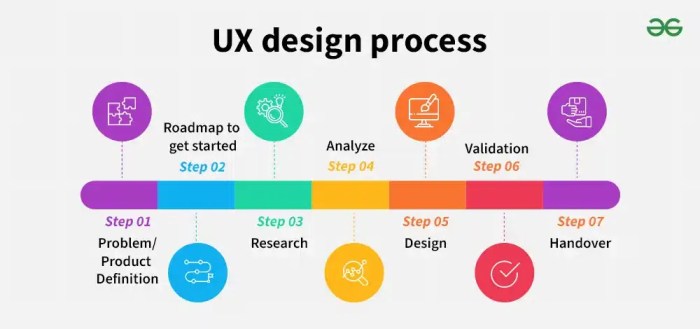
Information architecture (IA) is the structural design of information within a digital product or website. It involves organizing, labeling, and structuring content in a way that is easy to navigate and understand for users. IA plays a crucial role in UX design as it ensures that users can find the information they need quickly and efficiently, leading to a better user experience.
Creating Effective Site Maps and Navigation Systems
Site maps and navigation systems are essential components of information architecture. To create effective site maps, start by outlining the main sections and pages of the website. Consider the user's journey and how they will navigate through the content. Use clear and concise labels for each section to make it easy for users to understand the site's structure.
Navigation systems should be intuitive and consistent across all pages to provide a seamless user experience.
- Include a hierarchical structure to show the relationship between different sections and pages.
- Use visual elements like color coding or icons to differentiate between different categories.
- Implement breadcrumbs or a search bar to help users easily locate specific content.
Importance of Content Organization for Improved User Experience
Effective content organization is key to enhancing the user experience. By categorizing and prioritizing content based on user needs, you can ensure that information is easily accessible and digestible. A well-organized website or application helps users quickly find what they are looking for, reducing frustration and increasing engagement.
“Good information architecture is actually much harder to do than it looks, but it's a critical foundation for user experience design.”
Abby Covert
- Group related content together to create a logical flow of information.
- Use headings, subheadings, and bullet points to break up content and make it more scannable.
- Prioritize important content and features to guide users towards their goals efficiently.
Wireframing and Prototyping
Wireframing and prototyping are essential components of the UX design process, each serving distinct purposes to improve the overall user experience.
Wireframing
Wireframes are skeletal Artikels or blueprints that represent the basic structure and layout of a digital interface. They focus on the placement of elements, such as buttons, menus, and content, without delving into design details like colors or graphics. Wireframes act as a visual guide for designers and stakeholders to understand the functionality and flow of the interface before investing time in high-fidelity designs.
- Helps in visualizing the layout and structure of the interface
- Identifies potential usability issues early in the design process
- Serves as a communication tool between designers, developers, and stakeholders
Wireframes are like the blueprint of a house, outlining the foundation and structure before adding the finishing touches.
Prototyping
Prototyping involves creating interactive, clickable models of the digital interface based on the wireframes. These prototypes simulate the user flow and interactions, allowing designers to test functionality, gather feedback, and make iterations before finalizing the design. Prototypes can range from low-fidelity (simple sketches or paper prototypes) to high-fidelity (interactive digital prototypes).
- Facilitates user testing to gather feedback and validate design decisions
- Helps in refining interactions and user flows based on real user interactions
- Allows for rapid iteration and refinement of design concepts
Prototyping enables designers to test and refine design ideas in a realistic setting, improving the overall user experience.
Visual Design in UX
Visual design plays a crucial role in enhancing the user experience by creating engaging and aesthetically pleasing interfaces that are easy to navigate. It focuses on the look and feel of the product, ensuring that users not only find the design visually appealing but also intuitive and user-friendly.
The Importance of Color, Typography, and Imagery
Color, typography, and imagery are essential elements in UX design as they can evoke emotions, convey information, and guide users through the interface.
- Color: Different colors can be used to create visual hierarchy, highlight important elements, and establish brand identity. For example, warm colors like red and orange can create a sense of urgency, while cool colors like blue and green can convey a feeling of calmness.
- Typography: The choice of fonts, font sizes, and spacing can impact readability and accessibility. Clear typography helps users easily scan and understand the content on the screen.
- Imagery: Relevant and high-quality images can enhance the overall user experience by providing visual cues, creating a connection with the user, and making the interface more engaging.
Visual Hierarchy and Consistency in User Interaction
Visual hierarchy refers to the arrangement of elements on the screen to guide users' attention and prioritize information. Consistency in design elements such as colors, fonts, and layouts helps users navigate the interface more easily and build familiarity with the product.
- Visual Hierarchy: By using size, color, contrast, and spacing effectively, designers can create a clear visual hierarchy that guides users through the interface, leading them to the most important elements first.
- Consistency: Maintaining consistency in design elements across different screens and interactions helps users understand how to interact with the product, reducing cognitive load and enhancing usability.
Final Thoughts

As we conclude our exploration of UX design, remember that the key to unlocking user satisfaction lies in understanding their needs, behaviors, and preferences. By embracing the principles Artikeld in this guide, you can pave the way for memorable and impactful user experiences that resonate long after the final click.
FAQ Explained
What is the significance of user personas in UX design?
User personas are fictional representations of your target users, helping designers empathize with their needs, goals, and behaviors to create more tailored and effective solutions.
How does visual hierarchy impact user interaction?
Visual hierarchy guides users through content by prioritizing elements based on importance, thus enhancing usability and ensuring a seamless navigation experience.
Why is wireframing essential in the UX design process?
Wireframing provides a visual blueprint of the interface layout, allowing designers to iterate on the structure and functionality of a digital product before investing in detailed design elements.