Exploring the World of Virtual Interior Design Services
Virtual interior design services open doors to a realm where creativity meets technology, transforming spaces with a touch of innovation. As we delve into this dynamic field, we uncover the seamless blend of digital tools and design expertise that revolutionizes the way interiors are envisioned and created.
Importance of Virtual Interior Design Services
Virtual interior design services offer numerous benefits to clients, making the design process more efficient and cost-effective. By leveraging technology and online platforms, clients can access professional design expertise from anywhere, saving time and money in the process.
Time and Cost Savings
Virtual interior design services eliminate the need for in-person meetings and site visits, allowing clients to communicate with designers remotely. This not only saves time but also reduces travel costs and other expenses associated with traditional design services. Clients can receive design concepts, revisions, and feedback quickly and conveniently, streamlining the entire process.
- Virtual design services enable clients to collaborate with designers in real-time, eliminating the delays caused by scheduling conflicts or travel time.
- By using virtual tools and software, designers can create 3D renderings and visualizations of the proposed design, helping clients better visualize the final outcome before any physical changes are made.
- Virtual interior design services often offer more affordable pricing options compared to traditional design services, making professional design expertise more accessible to a wider range of clients.
Process of Virtual Interior Design Services
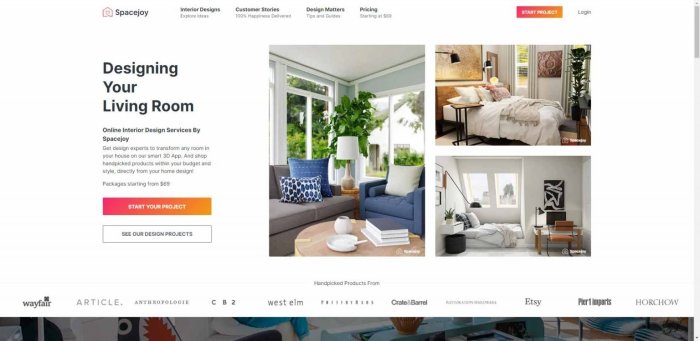
Virtual interior design services involve a series of steps that seamlessly blend technology with creative design expertise to transform living spaces. From initial consultations to final design presentations, here is a breakdown of the typical process:
Virtual Consultations
Virtual consultations serve as the foundation of virtual interior design services, allowing designers to connect with clients remotely. Through video calls, emails, and virtual meetings, designers gather essential information about the client's preferences, style, budget, and project requirements. This initial step sets the stage for a collaborative design process where ideas and feedback are shared seamlessly.
Design Concept Development
Once the design brief is established, designers begin crafting design concepts tailored to the client's vision. Using specialized software and visualization tools, designers create mood boards, floor plans, and 3D renderings to convey the proposed design scheme. This stage allows clients to visualize the design concept and provide feedback before moving forward.
Material and Product Selection
With the design concept approved, designers assist clients in selecting materials, furniture, fixtures, and accessories that align with the overall design aesthetic. Through virtual showrooms, online catalogs, and samples shipped to the client's location, designers ensure that every element of the design is curated to perfection.
Design Implementation and Project Management
Once all design elements are finalized, designers oversee the implementation phase, coordinating with vendors, contractors, and suppliers to bring the design to life. Through virtual project management tools, designers track progress, address any issues that may arise, and ensure that the project stays on schedule and within budget.
Final Presentation and Revisions
The final design presentation showcases the completed design scheme, including detailed drawings, 3D visualizations, and a comprehensive design plan. Clients have the opportunity to review the design, provide feedback, and request any necessary revisions before the final implementation phase begins.
This collaborative approach ensures that the client's vision is fully realized.
Tools and Software for Virtual Interior Design
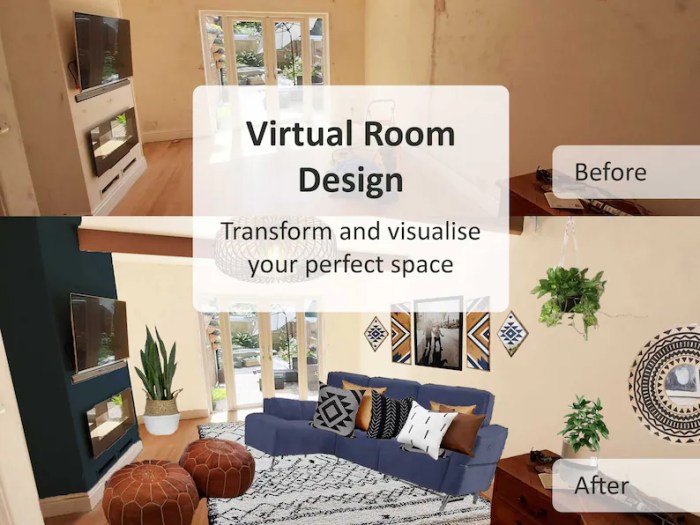
Virtual interior designers rely on a variety of tools and software to bring their designs to life in the digital realm. These tools not only enhance the visualization of spaces but also streamline the design process for both designers and clients.
Popular Tools and Software
- AutoCAD: Widely used for creating detailed 2D and 3D floor plans and architectural drawings.
- SketchUp: Known for its user-friendly interface and ability to create realistic 3D models of interiors.
- Revit: Ideal for creating building information modeling (BIM) designs and collaborating with architects and engineers.
- Adobe Creative Suite: Includes Photoshop for editing images, Illustrator for creating vector graphics, and InDesign for layout design.
Comparison of Software Options
- AutoCAD vs. SketchUp: AutoCAD is preferred for precise technical drawings, while SketchUp is more intuitive for quick 3D modeling.
- Revit vs. SketchUp: Revit is better suited for complex projects that require BIM capabilities, while SketchUp is great for conceptual design and visualization.
Impact of Technology Advancements
Technology advancements have significantly impacted the tools used in virtual interior design services. The introduction of virtual reality (VR) and augmented reality (AR) technologies has revolutionized the way designers can showcase their designs to clients. Tools like VR headsets and AR apps allow clients to experience a space in a more immersive way before any physical changes are made.
Virtual Interior Design vs Traditional Interior Design
Virtual interior design and traditional interior design methods have distinct differences that set them apart in terms of approach, execution, and outcomes. While both have their unique advantages and limitations, virtual interior design has proven to be a game-changer in the industry.
Key Differences
- Virtual interior design allows for remote collaboration and communication, eliminating the need for in-person meetings that traditional interior design heavily relies on.
- Traditional interior design involves physical site visits, measurements, and installations, whereas virtual interior design utilizes digital tools and software to create 3D models and renderings.
- Virtual interior design offers a more cost-effective and time-efficient solution, as it reduces the need for extensive travel and on-site work.
Advantages and Limitations
Virtual interior design offers the advantage of flexibility and convenience, allowing designers to work with clients from anywhere in the world. It also enables quick iterations and adjustments to designs without the need for physical prototypes. However, a limitation of virtual interior design is the lack of tactile experience and the inability to fully visualize the space in person.
Examples of Excellence
One notable project where virtual interior design excelled over traditional methods is the renovation of a commercial office space for a global company. By using virtual tools, the design team was able to create multiple layout options, experiment with different color schemes, and present realistic 3D renderings to the client without the need for numerous in-person meetings.
Ending Remarks
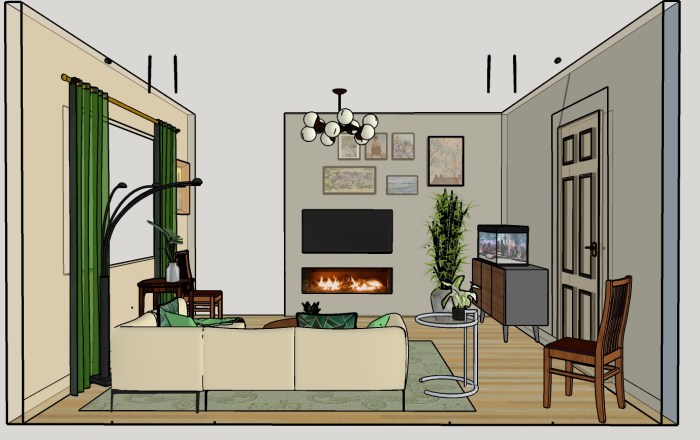
In closing, virtual interior design services emerge as a game-changer in the realm of design, offering a harmonious fusion of artistry and technology to redefine the concept of interior aesthetics. With endless possibilities and boundless creativity, this digital frontier continues to shape the future of interior design with unparalleled allure.
FAQ Overview
How can virtual interior design services benefit clients?
Virtual interior design services provide clients with the convenience of visualizing designs remotely, saving time and money by streamlining the design process.
What are the typical steps involved in virtual interior design services?
The process usually includes consultation, design concept development, virtual mockups, feedback integration, and final design implementation.
What are some popular tools used by virtual interior designers?
Popular tools include software like AutoCAD, SketchUp, and Adobe Photoshop for creating virtual design mockups.
How do virtual interior design services compare to traditional methods?
Virtual interior design offers advantages like cost-effectiveness and remote collaboration, while traditional methods may excel in hands-on customization and personal interaction.
Can virtual interior design services enhance the overall design process?
Yes, virtual interior design services enable a more efficient and streamlined design process, allowing for quicker decision-making and implementation of design ideas.