Optimizing Residential AC Performance: The Importance of Regular Maintenance
Embark on a journey through the world of residential AC maintenance, where the key to a well-functioning system lies in consistent care and attention. Discover the essential practices and benefits that come with maintaining your AC unit in top condition.
Explore how neglecting maintenance can lead to costly issues and learn how a simple routine can significantly prolong the life of your AC unit.
Importance of Residential AC Maintenance
Regular maintenance is crucial for residential AC systems to ensure optimal performance and efficiency. By scheduling routine maintenance, homeowners can prevent costly repairs, improve indoor air quality, and extend the lifespan of their AC units.
Benefits of Routine Maintenance
- Improved energy efficiency: Regular maintenance helps the AC system run more efficiently, reducing energy consumption and lowering utility bills.
- Enhanced indoor air quality: Cleaning and replacing filters during maintenance can help remove dust, allergens, and other pollutants from the air, creating a healthier living environment.
- Prevent costly repairs: Routine maintenance allows technicians to identify and address minor issues before they escalate into major problems, saving homeowners from expensive repairs down the line.
Potential Issues from Neglected Maintenance
- Reduced cooling capacity: Dirty filters and coils can restrict airflow, leading to reduced cooling performance and discomfort indoors.
- Increased energy bills: A neglected AC system has to work harder to cool the space, resulting in higher energy consumption and increased utility costs.
- Shortened lifespan: Lack of maintenance can cause components to wear out faster, leading to premature failure of the AC unit and the need for early replacement.
Extending the Lifespan of an AC Unit
Regular maintenance, such as cleaning coils, checking refrigerant levels, and lubricating moving parts, can significantly extend the lifespan of an AC unit. By addressing minor issues promptly and keeping the system well-maintained, homeowners can enjoy a longer-lasting and more reliable cooling system.
Components of Residential AC Maintenance
Regular maintenance of your residential air conditioning system is crucial to ensure its optimal performance and longevity. Here are the key components that should be inspected during maintenance:
Cleaning Filters, Coils, and Vents
- Regularly cleaning or replacing the air filters is essential to maintain proper airflow and prevent dust and debris from accumulating, which can lead to reduced efficiency and indoor air quality.
- Cleaning the coils helps in efficient heat transfer, ensuring that the system operates smoothly and effectively.
- Clearing out vents from any obstructions ensures even distribution of cool air throughout your home.
Checking Refrigerant Levels and Electrical Connections
- Monitoring and adjusting refrigerant levels is important to ensure that your AC unit is not overworking, which can lead to system breakdowns and increased energy consumption.
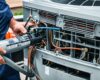
- Regularly inspecting electrical connections helps in preventing potential hazards like short circuits or fires, ensuring the safe and reliable operation of your air conditioning system.
Lubricating Moving Parts
- Proper lubrication of moving parts such as motors, fans, and bearings reduces friction, which can cause wear and tear on the components, leading to breakdowns and costly repairs.
- Regular lubrication also helps in maintaining the efficiency of the system and extending its lifespan.
Frequency and Timing of Maintenance
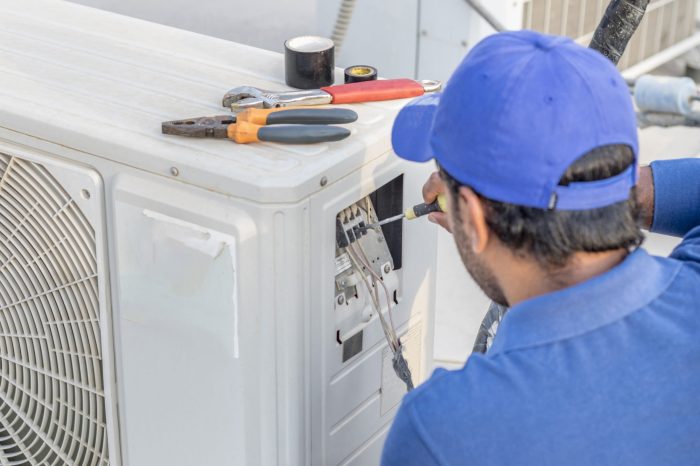
Regular maintenance of residential AC systems is crucial to ensure optimal performance and longevity. Here, we will discuss the recommended frequency of servicing, the best times of the year for maintenance, and how environmental factors can influence the schedule.
Frequency of Maintenance
Regular maintenance for residential AC systems should ideally be done at least once a year. However, for households with heavy usage or specific environmental conditions, bi-annual servicing may be more suitable to prevent any potential issues.
Timing of Maintenance
The best times of the year for scheduling maintenance are typically during the spring or fall seasons. This allows for any necessary repairs or adjustments to be made before the extreme temperatures of summer or winter.
Older vs. Newer AC Units
Older AC units may require more frequent maintenance due to wear and tear over time. Newer units, on the other hand, may not need servicing as often, but it is still important to schedule regular maintenance to keep them running efficiently
Environmental Factors Influence
Environmental factors such as dust, pollen, and humidity levels can impact the maintenance schedule of residential AC systems. Areas with high pollen counts or dust particles may require more frequent filter changes, while high humidity levels can lead to faster wear on components, necessitating more regular maintenance checks.
DIY Maintenance Tips for Homeowners
Maintaining your residential AC system doesn't always require a professional. Here are some simple tasks homeowners can perform to keep their AC running smoothly.
Cleaning Filters and Vents
Regularly cleaning filters and vents is crucial for the efficiency of your AC system. Follow these step-by-step instructions to ensure proper maintenance:
- Turn off the power to the AC unit before starting any maintenance.
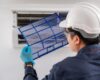
- Locate the air filter in your AC unit and remove it carefully.
- Use a vacuum or gently wash the filter with mild soap and water to remove dust and debris.
- Allow the filter to dry completely before placing it back in the unit.
- Next, locate the vents in your home and remove the vent covers.
- Use a vacuum or damp cloth to clean the vents and remove any dust or blockages.
- Replace the vent covers once they are clean.
Safety Precautions
When conducting DIY maintenance on your AC system, it's important to keep safety in mind:
- Always turn off the power to the AC unit before beginning any maintenance tasks.
- Avoid using harsh chemicals or abrasive materials when cleaning filters or vents.
- Use caution when working with electrical components and wear protective gear, such as gloves and goggles.
- If you're unsure about any maintenance tasks, it's best to seek professional help.
Seeking Professional Help
While DIY maintenance can help keep your AC system in good condition, there are times when it's necessary to call a professional:
- If you notice any strange noises or smells coming from your AC unit.
- If the airflow from your vents seems weak or inconsistent.
- If your AC is not cooling or heating your home effectively.
- If you encounter any electrical issues or leaks around your AC unit.
Conclusion
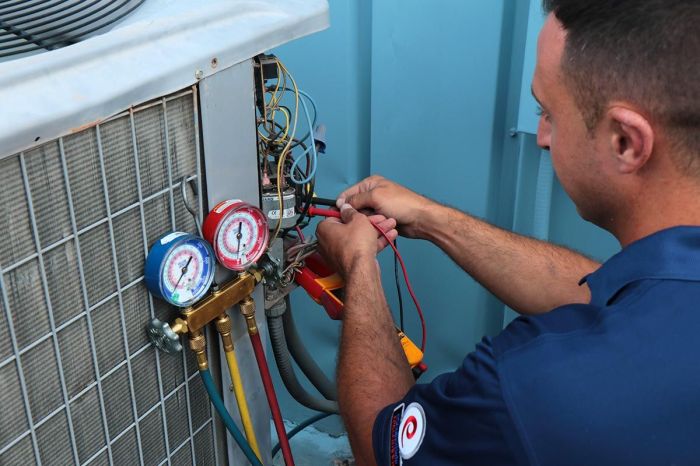
As we conclude our discussion on residential AC maintenance, remember that a little effort today can save you from major headaches tomorrow. By staying proactive and diligent in your maintenance routine, you can ensure optimal performance and comfort in your home.
Question Bank
How often should I service my residential AC system?
It is recommended to service your AC system at least once a year to prevent any major issues and ensure efficient operation.
When should I schedule maintenance for my AC unit?
The best times to schedule maintenance are during the spring or fall when the system is not in heavy use.
Can I perform maintenance tasks on my AC system myself?
Homeowners can perform simple tasks like cleaning filters and vents, but it's essential to know when to call a professional for more complex issues.